
Demodex Blepharitis Treatment in Seattle
Advanced Blepharitis & Eyelid Inflammation Care
Blepharitis is a common but often under-diagnosed cause of chronic eye irritation. At Seattle Eye Care Doctor, we specialize in identifying and treating Demodex blepharitis, a condition caused by microscopic mites that live in the eyelashes and oil glands of the eyelids.
If you experience itchy, red, tired eyes or feel constantly “aware” of your eyes throughout the day, Demodex mites may be contributing to your symptoms.

✨ Contact Us for an Appointment Today
If you are considering contact lenses, our team at Cannon EyeCare in Seattle, WA, is happy to help. To schedule your exam, contact our office at (206) 448-7739 today. You can also browse our website to find out about our services or visit us in person. When you are in the Seattle Metro and looking for an “optometrist near me”, we look forward to assisting you!


What Is Demodex Blepharitis?
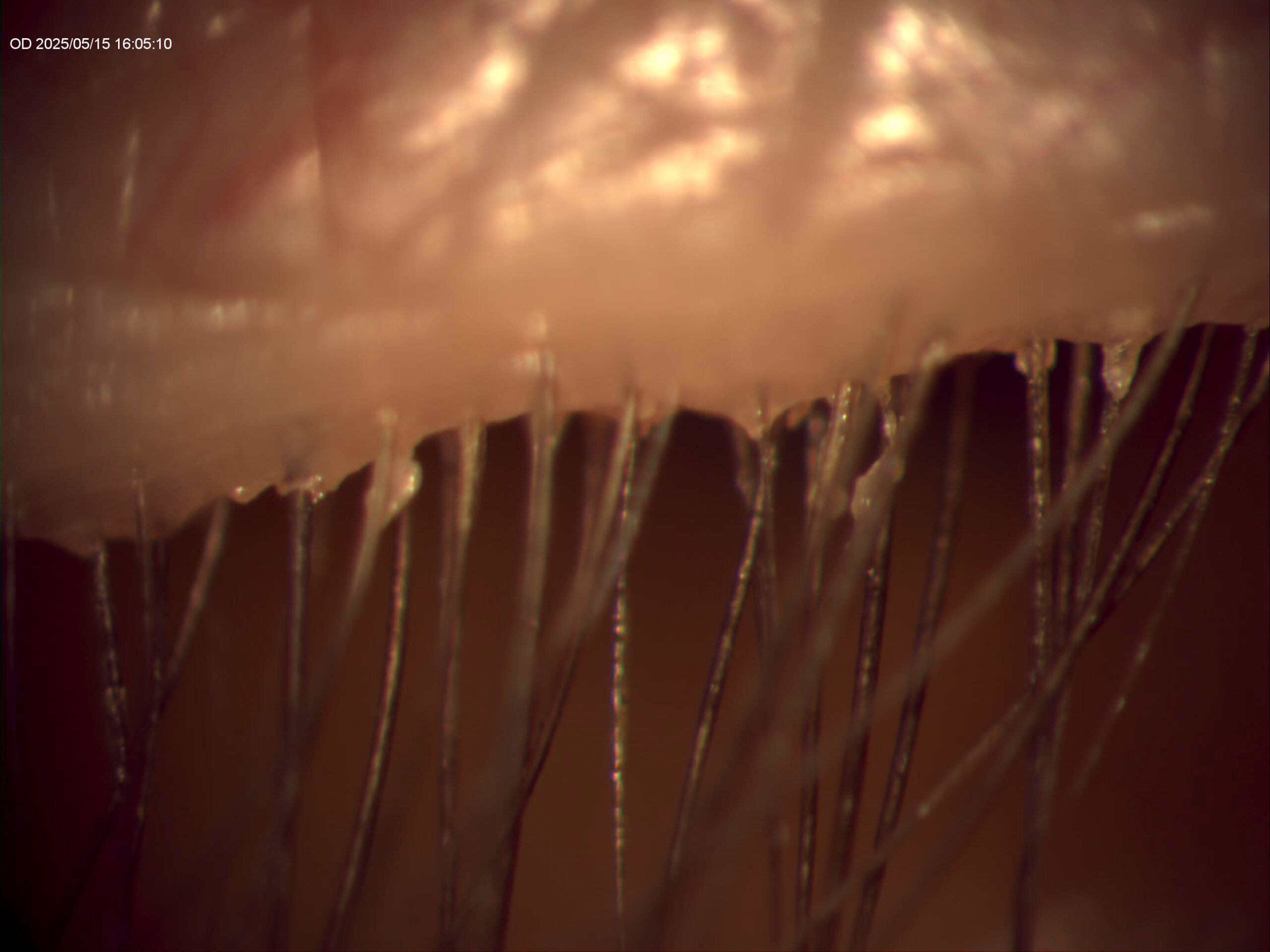
Demodex are microscopic ectoparasites that have lived on humans for over 150 years. They reside in hair follicles and sebaceous glands, particularly around the eyelids. While their presence increases with age, not everyone develops symptoms—genetics play a significant role in susceptibility.
These mites have a 2-week life cycle, and when they die, their debris accumulates at the base of the eyelashes, forming collarettes (cylindrical dandruff). This debris triggers inflammation and contributes to multiple ocular surface diseases.
Conditions Linked to Demodex Mites
Demodex blepharitis is associated with several chronic eye and skin conditions, including:
- Chronic blepharitis
- Dry eye disease
- Meibomian Gland Dysfunction (MGD)
- Rosacea
- Seborrheic dermatitis
- Allergic conjunctivitis
- Recurrent styes or chalazia
- Floppy eyelid syndrome
Because symptoms overlap with other eye conditions, Demodex blepharitis is frequently missed without a targeted eyelid exam.
Common Symptoms of Demodex Blepharitis
Patients often report:
-
Red, tired-looking eyes
-
Persistent itching, especially along the lash line
-
Crusty debris or “dandruff” on eyelashes
-
Eyelid inflammation or swelling
-
Frequent styes or chalazia
-
Excessive tearing (epiphora)
-
A constant awareness or discomfort in the eyes
If these symptoms sound familiar, a focused evaluation for Demodex mites is essential.
Advanced Demodex Treatment in Seattle: XDEMVY®
We are proud to offer XDEMVY® (lotilaner ophthalmic solution), the first FDA-approved prescription treatment specifically designed to eliminate Demodex mites.
How XDEMVY Works
- Causes rapid paralysis and death of Demodex mites
- Targets the entire mite life cycle
- Reduces collarettes, inflammation, and symptoms
Treatment Details
- Prescription eye drops used twice daily
- Typically prescribed for 6 weeks (many patients complete the full bottle over ~7–8 weeks)
- Clinical studies show significant improvement within 2 weeks
- Over 50% of patients achieved complete resolution of collarettes (Grade 0)
- Minimal side effects; very low rates of irritation or discomfort
Some patients with genetic predisposition may benefit from annual re-treatment.
Why Choose Seattle Eye Care Doctor?
- Expertise in blepharitis treatment in Seattle
- Advanced diagnostic evaluation of eyelids and lashes
- Evidence-based Demodex treatment options
- Personalized care for chronic eye conditions
- Convenient Seattle location with compassionate providers
We focus not just on symptom relief, but on eliminating the root cause of chronic eyelid inflammation.
Schedule An appointment
Rejuvenated facial skin is just a step away. Book your consultation today to explore Tixel Eyelid Rejuvenation in Seattle.
Cannon EyeCare will set you up for success
Starting with an exam, we make it easy to wear and reorder your lenses:

Exam
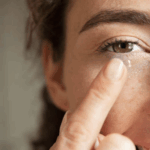
One-on-one training for insertion, removal, and proper care

Training
One-on-one training for insertion, removal, and proper care

Trial Period
Free trial lenses to fine-tune your fit before ordering

Supply
Simple reordering by text, email, or our EyeSubscribe program

Shipping
Convenient shipping to your home, office, or either Seattle clinic
If you have vision insurance, just email us—we’ll handle the ordering for you and apply your benefits directly. Lenses can ship to your home, your office, or either of our Seattle locations
Matching the Right Lenses to Your Prescription
Your glasses prescription plays a major role in how contacts will work for you. Here’s how we tailor fits:
By understanding your prescription and vision goals, we select lenses that maximize both clarity and comfort.
We Prioritize Your Eye Health
Sometimes, underlying conditions need attention first, such as:
By addressing these issues early, we set you up for long-term comfort and clear vision in contacts.
Training for Young Wearers
We generally start training young patients to wear contacts at about age 13 for ladies and age 14 for boys. This is largely due to the need to bring a lot of responsibility and good hygiene practices to the table. A lack of scrupulous hygiene or responsibility can seriously compromise ocular health – which nobody wants. That being said, some younger patients are highly motivated/ and mature. Some patients as young as 9 have been very successful learning how to insert & remove (and wear) their contacts after being trained by our doctors one on one.
Strategies for Presbyopia (40+)
After age 40 we all start to lose the ability to adjust our focus for near work. This can lead to many contact lens patients getting frustrated, trying reading glasses over top, and then dropping out of contact lens wear by age 45. After all, if you have to wear OTC (over the counter) reading glasses most of the day over your contacts most of the day, why not just wear progressive glasses and skip the contacts?
Nowadays, we have strategies that allow a workaround. Depending on your glasses prescription, you may be able to wear monovision or multifocal contacts.These strategies do have some compromise (they don’t actually make your eyes younger), yet we are really good at these fits. Our doctors will probably take the time to talk to you about the 80% rule:
“If you’re able to see 80% of what you want to see without readers…and are happy with your contacts 80% of the time, that’s a successful multifocal fit.” We strive to surpass 80% satisfaction on every fit.
Many patients over 40 even end up with a dual Rx: distance only for things like tennis or skiing, and multifocals or monovision lenses so you can function in the restaurant afterward.
We Learn About Your Lifestyle
Everyone wears contact lenses for different reasons. During your fitting, our doctors will talk with you about how you plan to use them so we can find the best option for your needs:
-
🏃 Sports and activities – Running, tennis, or cycling without worrying about rain spots or slipping glasses.
-
💃 Special occasions – Dates, weddings, or events where you’d prefer not to wear glasses.
-
👓 Everyday wear – Making contacts your “plan A,” with glasses as backup.
-
🎿 Occasional use – Seasonal activities like downhill skiing or vacations.
These conversations help us select the most comfortable lens design and wearing schedule for your life.
What to Expect at Your Appointment

Preparing for Your Visit
-
Wear your current contact lenses to your appointment.
-
Bring documentation of your prescription (brand and power), especially if lenses were prescribed elsewhere.
-
No records? Don’t worry—we’ll still ensure a precise fit!
During Your Exam
- Evaluate your current lenses for fit and comfort.
-
Perform specialized tests to assess corneal health and vision needs.
-
Discuss new options—like daily disposables or multifocal lenses—if your eyes could benefit from updates
After Your Appointment
Most patients leave with trial lenses and finalize their prescriptions via a quick email or call. We make it easy!
Using Insurance?
We are in network with the major local health insurance companies. Cannon EyeCare does not accept any 3rd party vision plans such as VSP, Davis, or EyeMed due to unreasonable contractual stipulations.
Insurance We Take

Premera Blue Cross
Medicare
Regence Blue Shield
Regence Group Administrators
HMA: Health Management Associates
Kaiser Permanente’s PPO plans
Bridgespan
Asuris
Out of state BC/Blue Shield (routine vision exams typically not covered)
Insurance We Don’t Take

Cigna
Aetna
First Choice Health
Medicaid
Apple Health/Molina
Book Your Contact Lens Fitting Today
The right contact lenses can transform how you see and live every day.
At Cannon EyeCare, our experienced optometrists combine medical expertise, personalized fittings, and modern lens technology to give you the best possible contact lens experience.
👉 Schedule your contact lens fitting appointment today and see the difference.
Common Contact Lenses FAQs
-
Why is a contact lens exam required
Washington state law mandates a comprehensive eye health exam before contact lens fittings to ensure your eyes are healthy enough for lenses. This prevents complications like corneal damage or infections, prioritizing patient safety.
-
How much does a contact lens exam cost in Seattle?
-
What’s the difference between monovision and multifocal contacts?
-
Can children wear contact lenses in Seattle?
-
How do I prepare for a contact lens exam?
-
Will insurance cover my contact lens exam?
-
What types of contact lenses are available?
-
Why choose multifocal contacts over glasses?
-
How often do I need a contact lens exam?
-
Where can I get a contact lens exam in Seattle?
-
What tests are done during a contact lens exam?
-
Can I wear contact lenses without a fitting?
-
What if my eyes feel dry with contact lenses?
-
Is it normal to find inserting contacts hard at first?